
Issue #493
Wednesday, October 14, 2026
Safety or Trust?
The Language of Safety
Part 1
by Madonna Gott
Safety is a word we hear constantly in movement.
As Pilates instructors, we want our clients to feel safe in their bodies and in the environments we create for them. We want to reduce unnecessary risk, understand the people in front of us, recognise when something isn’t appropriate, and create conditions where movement can be explored without unnecessary fear.
Of course we do.
But there is another question underneath all of this:
What do we actually mean when we say that someone is safe?
Safety can mean many things. It can mean that the environment has been considered carefully, that the equipment is appropriate, and that movement is being introduced in a way that makes sense for the person in front of us. It can mean having enough information, awareness and support to explore without unnecessary risk.
All of those things matter.
But safety can also become a message.
Without intending to, the language we use in the name of safety can communicate something about the body that goes beyond the instruction itself.
That the body is fragile.
That certain movements are inherently dangerous.
That there are positions we should avoid.
That someone else needs to know what is safe for us.
Or, most subtly, that our bodies are things we need to be protected from.
I don’t think this happens because instructors are doing something wrong. Quite the opposite. Much of this language comes from a genuine desire to care for people well.
But good intentions don’t determine the message someone receives.
And this is where the distinction between safety and trust becomes interesting.
If we repeatedly tell someone that their body is fragile, that certain movements are dangerous, or that another person knows what is safe for them, we can create a particular relationship between that person and their body.
We may be creating safety.
We may also be creating dependence on someone else to provide it.
There is nothing inherently wrong with being guided. Learning movement often requires another person’s knowledge, observation and experience. A good teacher can see things we cannot see in ourselves. They can offer information, introduce possibilities and help us
navigate something unfamiliar.
The problem begins when guidance becomes the primary source of certainty.
If every decision is made for the client, they can become very skilled at doing movement correctly without becoming equally skilled at understanding their own experience.
They know what they are supposed to do. They know what they are not supposed to do. They know which movements their instructor considers safe.
But what happens when something changes?
The body doesn’t spend the rest of its life in a controlled environment.
We reach for something that falls. We step onto an uneven surface. We carry something heavier than expected. We move differently because we’re tired, distracted, stressed or simply having a different day.
There is no instructor standing beside us giving the next instruction.
The body has to respond.
And this makes the purpose of movement education much more interesting than simply teaching someone how to perform a movement safely.
We are not only teaching movement. We are teaching someone how to meet movement.
When the Practitioner Becomes the Protector
There is a subtle shift that can happen when our desire to keep people safe becomes too closely tied to our role as the person teaching them.
We can start to see ourselves as the person who knows what is safe for another body.
We decide how far someone should move, which positions they should avoid, when they should stop, what they should stabilise and which sensations should concern them.
Sometimes that is entirely appropriate. Good teaching requires boundaries, judgement and intervention when they are needed.
But there is a difference between creating appropriate conditions for someone to explore movement and taking responsibility for keeping another person safe.
One recognises the person as an active participant in their own experience.
The other can put the practitioner in the position of protector.
And when that happens, something important can get lost.
If I am responsible for keeping your body safe, what happens to your relationship with your body?
You may become very good at listening to me. You may become very good at following instructions. You may learn which movements I consider appropriate and which ones I don’t.
You may even feel extremely safe while you’re in the room with me.
But that doesn’t necessarily mean you’ve developed the ability to navigate your own body when I’m not there.
Because eventually, we leave the room.
The class ends. The session finishes. The person goes home, walks down the street, picks up their child, climbs a staircase, moves a piece of furniture, gets out of bed the next morning.
We aren’t there to tell them whether every movement is safe.
And we shouldn’t be trying to be.
Our responsibility isn’t to become the permanent guardian of someone else’s body. It is to create the conditions in which they can gradually become more capable of inhabiting it themselves.
That means asking a different question.
Not simply:
“Does this person feel safe with me?”
But:
“Is this person becoming more capable of recognising what they feel, responding to changing conditions, adapting their movement and making informed decisions for themselves?”
That doesn’t make safety less important.
It changes what we understand safety to be for.
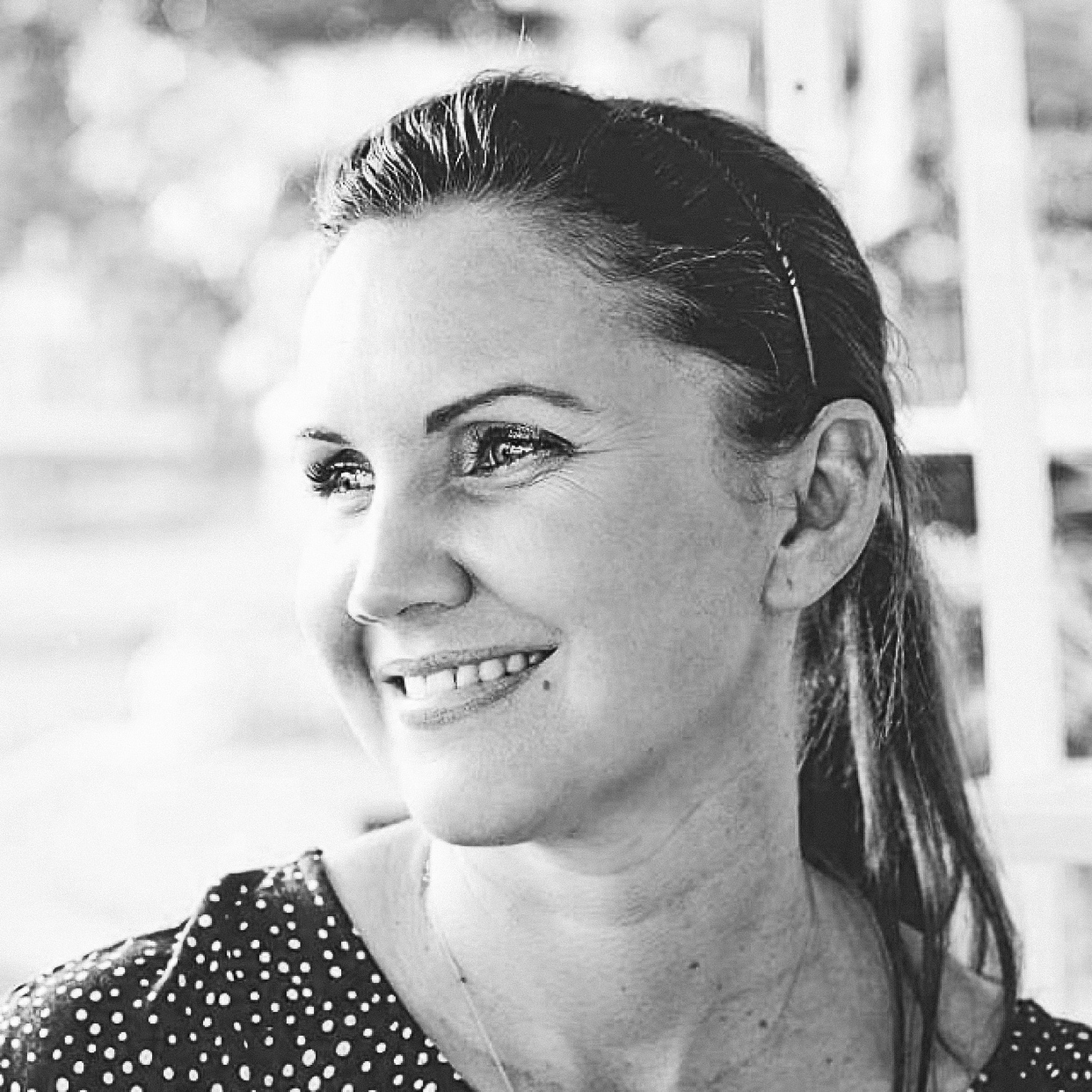
Madonna Gott is an Australian Pilates instructor, movement educator, author of The
Dual Helix of Healing, and founder of the SomaFlow Method™. Through SomaFlow,
she offers practitioner education, training pathways and studio workshops for
movement professionals across Australia.