
Issue #478
Wednesday, February 4, 2026
The Space Between the Exercises:
Rethinking Transitions in Pilates
by Tabatha Russell
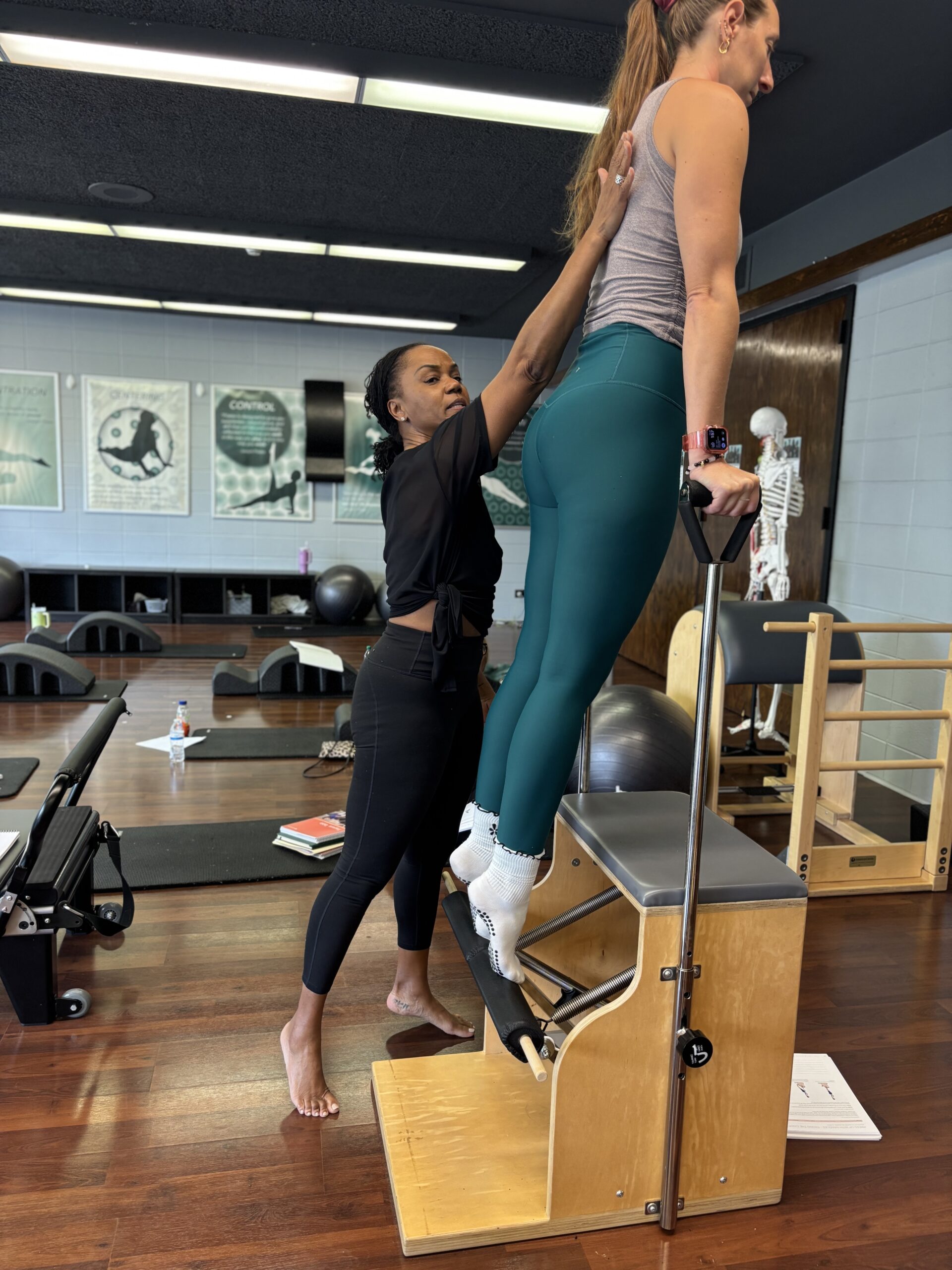
In Pilates, much attention is given to what we teach, the exercises, the order, the apparatus, the cues. Far less attention is given to how we move between those exercises. And yet, it is often in the transitions, the quiet, uncelebrated moments between the work, that the integrity of the method is either reinforced or slowly unraveled.
Transitions are not accessories to the workout. They are not rest breaks disguised as movement, nor are they opportunities for flair or improvisation. In the Pilates method, transitions serve a purpose. The question worth asking, especially in contemporary practice, is not whether a transition is classical or non classical, but whether it is serving the goal of the work.
What Are Transitions Meant to Do?
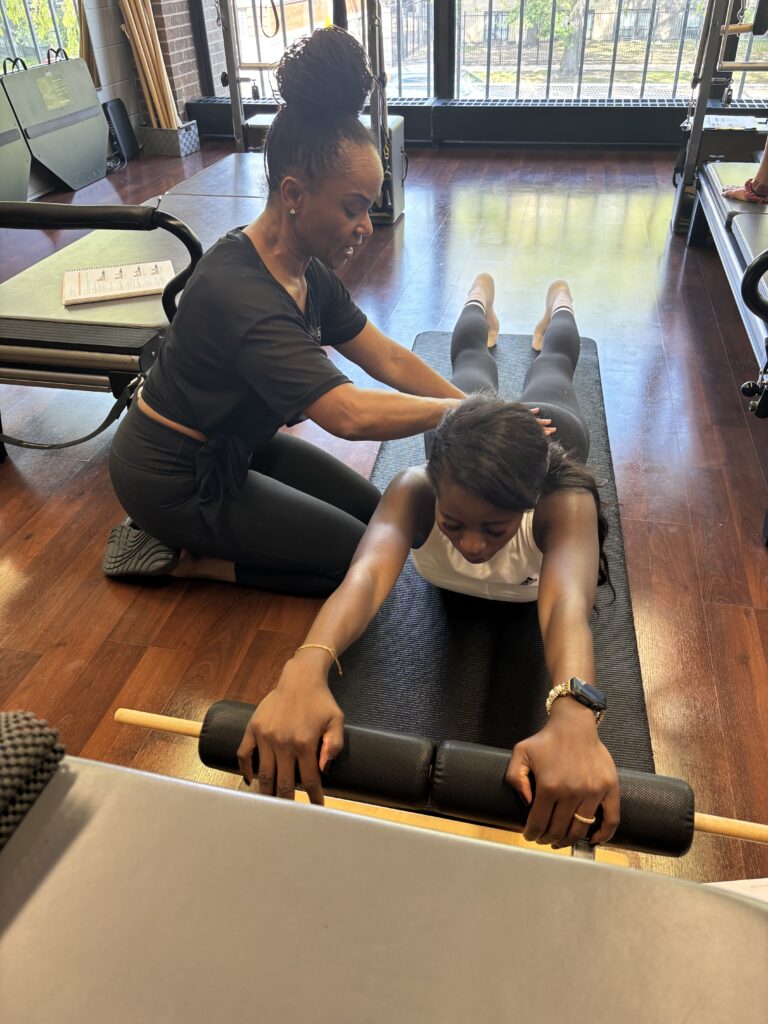
At their best, transitions maintain continuity. They preserve flow, demand organization, and require the practitioner to stay engaged physically and mentally as the body moves from one challenge to the next. They reinforce the principles we claim to value, centering, control, precision, breath, and efficiency.
I believe transitions were never meant to be treated as separate from the work because the body itself does not experience movement in fragments. Life does not happen in neatly packaged repetitions. We bend, rotate, rise, and reposition constantly, often without pause. From that perspective, transitions train the ability to maintain structure while changing position, to stay connected while reorganizing, and to move with intention even when no one is counting. Whether or not this was Joseph Pilates’ explicit motivation, it aligns with what the work consistently asks of the body.
Tradition, Context, and Practical Intelligence
An often overlooked detail in conversations about classical transitions is context. Joseph Pilates designed his work within the realities of his time, including the equipment.
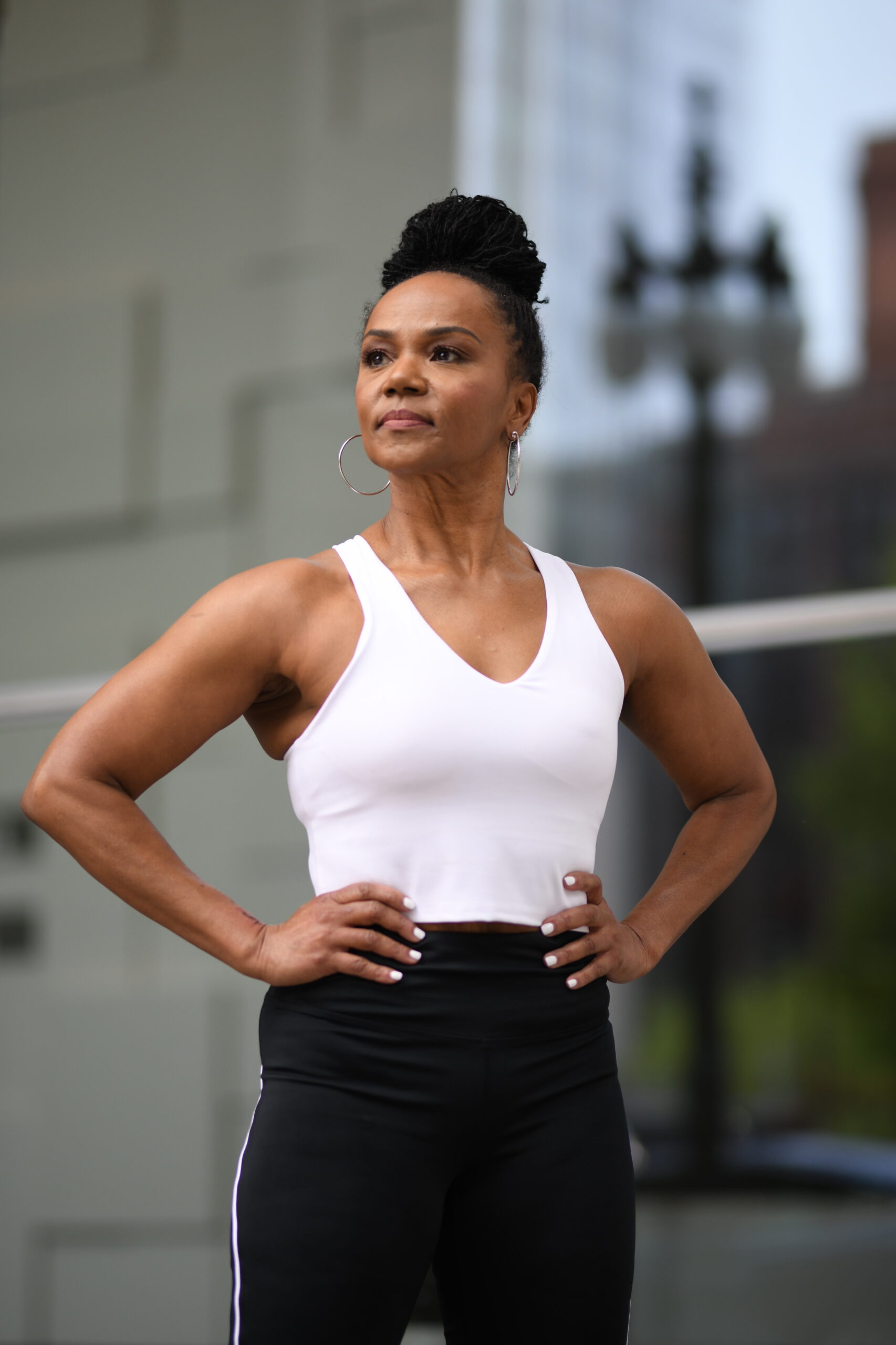
Tabatha Russell is a Master Pilates Instructor, NCPT, and Balanced Body Master Educator with over 29 years of experience in the healing body arts. For the past 15 years, she has owned and operated a boutique Pilates studio, combining her background as a professional dancer with and her M.A. in Interdisciplinary Arts Education to create transformative movement experiences.
Renowned for her ability to connect with clients, Tabatha offers dynamic group classes that challenge participants while fostering a sense of community and support. Her private sessions emphasize accessibility and personalization, tailoring classical Pilates techniques to individuals of all ages and abilities. Her empathetic approach empowers clients to grow both physically and mentally, making Pilates an inclusive and transformative practice.
Beyond her work in the studio, Tabatha is a passionate mentor, having trained over 100 Pilates educators. She founded the Pilates Professional Learning Community to uplift and support instructors, particularly those from historically excluded communities, by providing mentorship and resources to help them succeed.
Tabatha’s teaching philosophy emphasizes equity, inclusion, and empowerment, meeting individuals where they are and guiding them toward their goals. Her leadership and advocacy for diversity have helped shape a more inclusive Pilates industry.
A former professional dancer with a B.A. in Dance and extensive teaching experience, Tabatha has been featured in Essence.com, Cosmopolitan.com, and TheHealthy.com. She continues to inspire through movement, education, and community, ensuring Pilates is a source of strength and healing for all.
Follow her: @tabpilates @tabpilatesandbodyworkscenterinc https://www.youtube.com/@tabpilates map for the semester: