
Issue #470
Wednesday, September 27, 2025
Pilates Is More Than Just the Reformer—It’s a Whole System
by Tabatha Russell
by Tabatha Russell
If you’ve ever peeked into a Pilates studio, or searched for a class online, you’ve probably seen a lot of Reformer classes. That long, sliding machine with springs and straps has become the symbol of Pilates in many places. And while the Reformer is an incredible and versatile tool, it’s only one part of a much bigger picture.
At my studio, we practice Pilates as it was meant to be: a full system designed to support the body through strength, flexibility, mobility, and mindful movement. And what I’ve learned, over many years of teaching and training, is this: when clients and instructors work within the full system—not just one part—the results are deeper, more meaningful, and much more sustainable.
So What Is The Pilates System, Really?
Pilates isn’t a single apparatus or a trendy group class. It’s a method, a system, that includes:
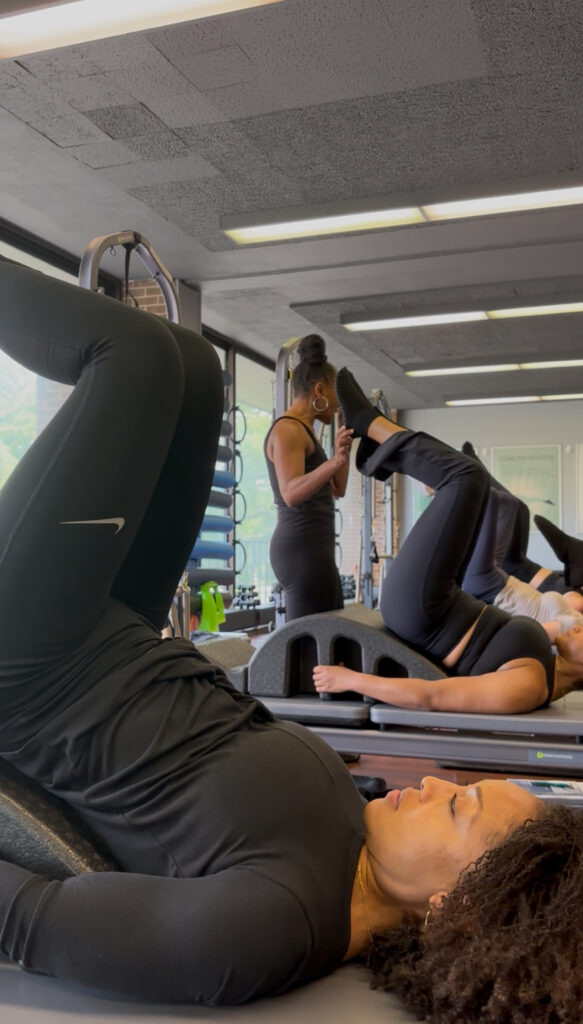
Mat: The foundation. Teaches control, awareness, and strength without support.
Reformer: Probably the most familiar, offering both assistance and challenge with spring resistance.
Trapeze Table (Cadillac): Incredibly supportive for beginners and adaptable for advanced movement and rehab.
Chair: Demands core strength, stability, and coordination. It’s compact but powerful.
Barrels: Teach spinal articulation, mobility, and supported extension work.
These tools aren’t random. They were created to work together—each one building upon the others, reinforcing the principles of the method while offering different ways to meet the body where it is.
Why the System Matters—for Instructors and Clients
Here’s something I hear a lot from instructors who only teach Reformer-based classes:
“I love Pilates, but I feel like I’m running out of new ideas.”
“I’m constantly programming and reprogramming. I need something fresh.”
And I get it. When your entire teaching toolkit is limited to one piece of equipment, you eventually feel boxed in. It becomes more about inventing “creative” class plans than delivering method-based movement that supports your clients’ progression.
But when you work with the whole system, everything opens up.
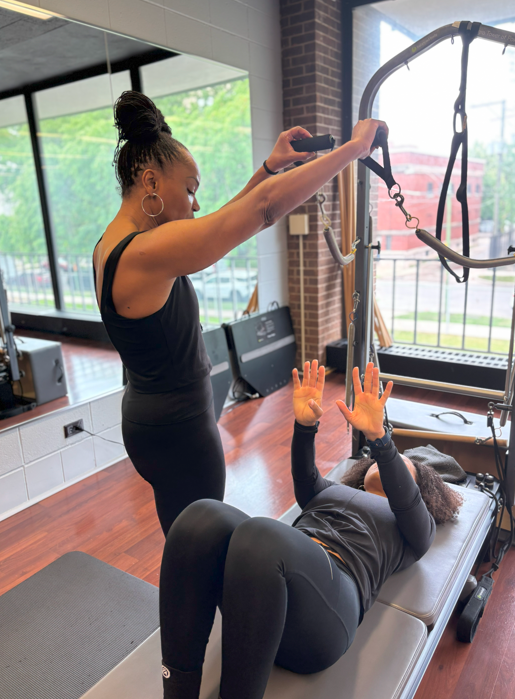
You don’t need to reinvent the wheel every week. Instead, you deepen your understanding of how the existing repertoire can be adapted, sequenced, and explored in new ways. You can shift between Mat, Reformer, Tower/Cadillac, Chair, and Barrel to support different needs, intensities, or areas of focus—all while staying rooted in the integrity of the work.
At my studio, we teach clients to use the full system from the beginning. Whether they’re in small group classes or private sessions, they learn how to adjust springs, bars, and props so they can move confidently from one piece to the next. This gives them agency in their own movement experience and keeps the flow of class strong and seamless. And what’s more beautiful, they begin to connect the dots.
A movement they first learned on the Reformer suddenly makes more sense on the Barrel. The spinal articulation they practiced with support on the Cadillac becomes more accessible on the Mat. They feel how it all fits together. That’s when Pilates becomes more than a workout it becomes embodied.
Endless Possibilities Within the Known
Whether you’re working within a classical framework or teaching in a more contemporary approach, the system offers endless possibilities. The more you understand its parts, the more ways you find to meet people where they are and move them forward.
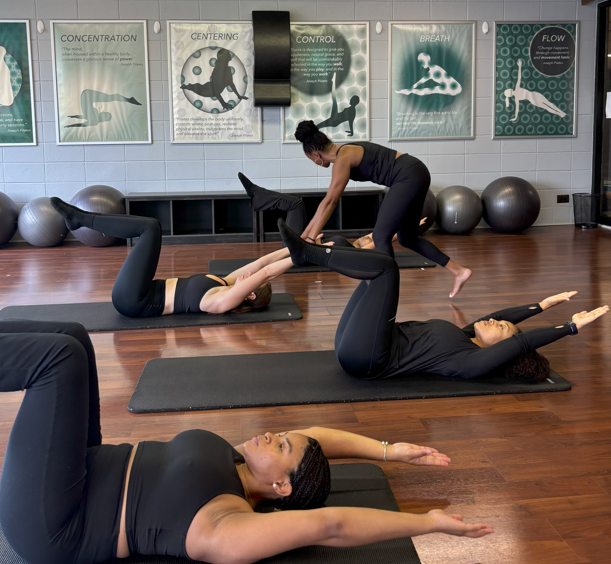
There’s no need to constantly chase novelty when the method itself is rich with depth. Instead of trying to “create” new exercises, you learn to adapt and progress the work with purpose.
This is what keeps Pilates exciting, not gimmicks or trends, but the evolution that happens when teacher, client, and system come together in real-time learning.
Final Thoughts
Pilates is a system. It’s not defined by a single machine or a single class format. It’s a method designed for real people with real bodies—bodies that change, heal, grow, and respond.
When you teach the full system, you not only offer your clients more, you give yourself more as a teacher: more tools, more clarity, more trust in the work.
When you teach from the system, you don’t need to chase what’s next. You’re already in it.
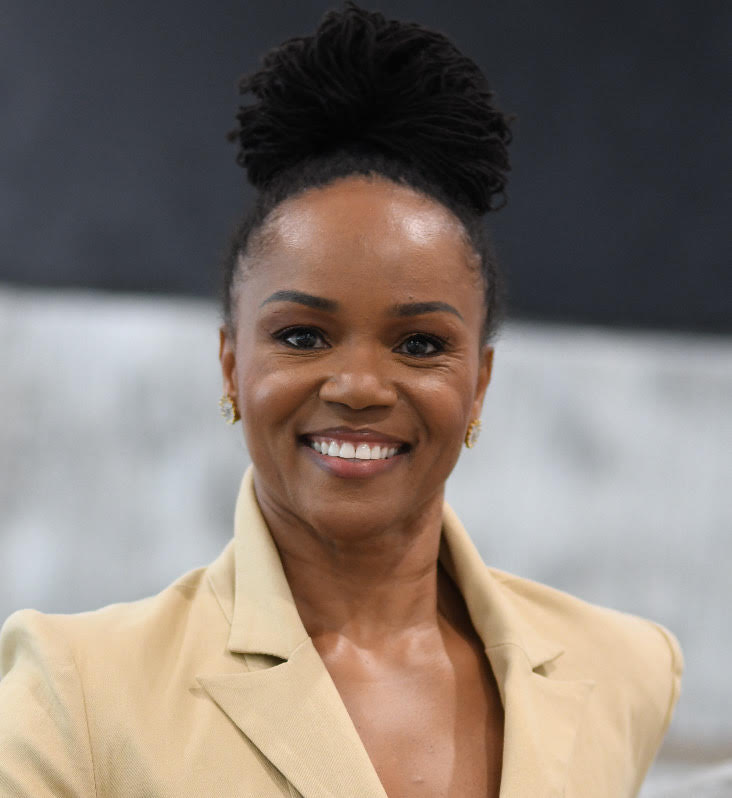
Tabatha Russell is a Master Pilates Instructor, NCPT, and Balanced Body Master Educator with over 29 years of experience in the healing body arts. For the past 15 years, she has owned and operated a boutique Pilates studio, combining her background as a professional dancer with and her M.A. in Interdisciplinary Arts Education to create transformative movement experiences.
Renowned for her ability to connect with clients, Tabatha offers dynamic group classes that challenge participants while fostering a sense of community and support. Her private sessions emphasize accessibility and personalization, tailoring classical Pilates techniques to individuals of all ages and abilities. Her empathetic approach empowers clients to grow both physically and mentally, making Pilates an inclusive and transformative practice.
Beyond her work in the studio, Tabatha is a passionate mentor, having trained over 100 Pilates educators. She founded the Pilates Professional Learning Community to uplift and support instructors, particularly those from historically excluded communities, by providing mentorship and resources to help them succeed.
Tabatha’s teaching philosophy emphasizes equity, inclusion, and empowerment, meeting individuals where they are and guiding them toward their goals. Her leadership and advocacy for diversity have helped shape a more inclusive Pilates industry.
A former professional dancer with a B.A. in Dance and extensive teaching experience, Tabatha has been featured in Essence.com, Cosmopolitan.com, and TheHealthy.com. She continues to inspire through movement, education, and community, ensuring Pilates is a source of strength and healing for all.
Follow her: @tabpilates @tabpilatesandbodyworkscenterinc https://www.youtube.com/@tabpilates map for the semester: